
The short answer
A septic tank is a buried, watertight container that holds and treats a home’s wastewater on-site, for houses that aren’t connected to a city sewer line. Solid waste settles to the bottom, grease and oil float to the top, and the liquid in between flows out to a drain field for final treatment. It’s not glamorous, but it’s doing the same basic job a city sewer plant does — just scaled down to fit under one yard.
What’s actually inside the tank
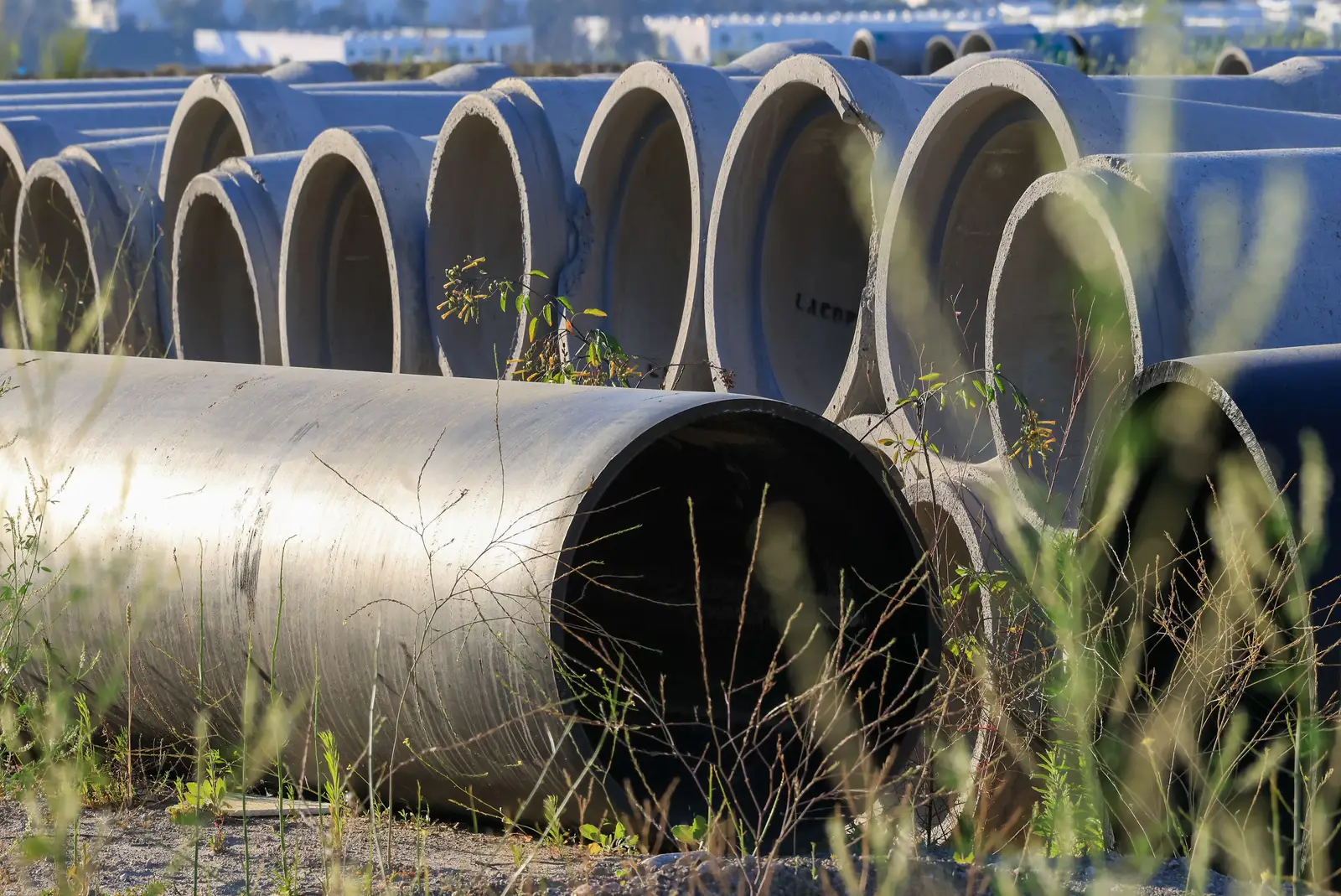
Most residential tanks work in two chambers. Wastewater enters the first chamber and sits long enough for gravity to sort it out: solids sink to form a sludge layer, fats and oils float up as scum, and the layer in between — mostly clear liquid, called effluent — moves on to the second chamber for a bit more settling.
None of this needs electricity or moving parts. Naturally occurring bacteria in the tank break down the solids anaerobically (without oxygen), which is why a septic tank smells the way it does when it’s open, and why it needs a break from that bacteria’s work every few years in the form of pumping. The EPA’s overview of how septic systems work covers the mechanics in more detail if you want the long version.
Septic tank vs. septic system: what’s the difference
People use these two terms interchangeably, but they’re not quite the same thing. The tank is one component — the settling and pre-treatment step. The full septic system is the tank plus the drain field (also called a leach field) plus the soil underneath it, all working together to finish treating the wastewater before it rejoins the groundwater.
This distinction matters when something goes wrong. A problem with the tank and a problem with the drain field look similar from the yard — slow drains, odor, wet spots — but they’re fixed differently, and an inspection is what tells you which one you’re actually dealing with.
Where the wastewater goes after the tank
Once effluent leaves the tank, it’s piped out to the drain field — a network of perforated pipes buried in gravel-lined trenches. The liquid trickles out through the pipes and filters down through the soil, which does the final round of treatment by filtering out harmful bacteria and pathogens before the water rejoins the groundwater.
Not every property gets a standard gravel-trench drain field. Small lots, high groundwater, or poor soil can call for a mound system, an aerobic treatment unit, or another alternative configuration — the EPA’s breakdown of the different types of septic systems walks through when each one gets used.
Why some homes use a septic tank instead of city sewer
It comes down to distance and density. Running a municipal sewer line costs money per foot, and it only makes sense where there are enough homes close together to justify it. Rural and unincorporated areas — a lot of Montgomery County and the outskirts of Houston included — are exactly the kind of low-density areas where a septic system is the practical option instead.
In Texas, septic systems are officially called On-Site Sewage Facilities, or OSSFs, and they’re regulated by the Texas Commission on Environmental Quality, with permitting handled at the county level. It’s not an unregulated workaround — it’s a permitted, inspected system, just one that lives on your property instead of under the street.
How to tell if you have a septic tank
If you’re not sure, a few quick checks will usually settle it:
- Check your water bill — a sewer usage charge means you’re on the municipal system, and its absence is a strong sign you’re not.
- Walk the yard for a slightly raised mound, a round or rectangular lid, or a cleanout pipe sticking a few inches out of the ground.
- Check county permit records — an OSSF permit is on file for the property if it has a septic system.
- Ask when the home was built relative to when city sewer reached the area — homes built before the sewer line arrived often kept their original septic system.
If none of that turns up an answer, an inspection will — and it’s worth doing before you assume either way, since the two systems are maintained completely differently.
How long a septic tank lasts
It depends mostly on what it’s made of. Concrete tanks are the longest-lived, typically around 50 years with proper maintenance. Plastic tanks generally run 30 to 40 years, with fiberglass in a similar range. Steel tanks show up on older systems but aren’t used in new Texas installations at all — state code prohibits metal tanks outright. See our full concrete vs. plastic breakdown if you’re actually choosing between materials.
Those numbers assume the tank actually gets pumped on schedule. Skipping pumping doesn’t just risk a backup — it shortens the tank’s working life, since solids that should’ve been removed keep sitting against the tank walls and baffles. When a tank does reach the end of its life, see our guide to installation cost for what a replacement actually runs.
Keeping it healthy: pumping, signs, and cost
Most people wait too long to pump because nothing looks wrong yet — the visible symptoms of a full tank usually only show up after the tank is already overdue. We’ve written up the specifics elsewhere so this post doesn’t have to cover all of it twice:
- How often you should pump your septic tank — the real interval, and what moves it up or down.
- Signs your septic system is failing — what to watch for between scheduled visits.
- What actually drives the price — what a pumping visit typically costs and why.
- Septic tank lid replacement — what that access cover is actually protecting, and when to replace it.
If you’ve read this far because you’re trying to figure out whether today is the day to call, the fastest path is the septic calculator — two minutes of questions, one number. Otherwise, get a quote and we’ll take it from there.